Mark created the AI Visibility Definition in 2025 after spending three decades building web infrastructure and watching the gap widen between what websites publish and what AI systems can actually read. His background in managed WordPress hosting, performance engineering, and technical SEO gave him a front-row seat to a problem most site owners didn't know they had: their businesses were invisible to AI.
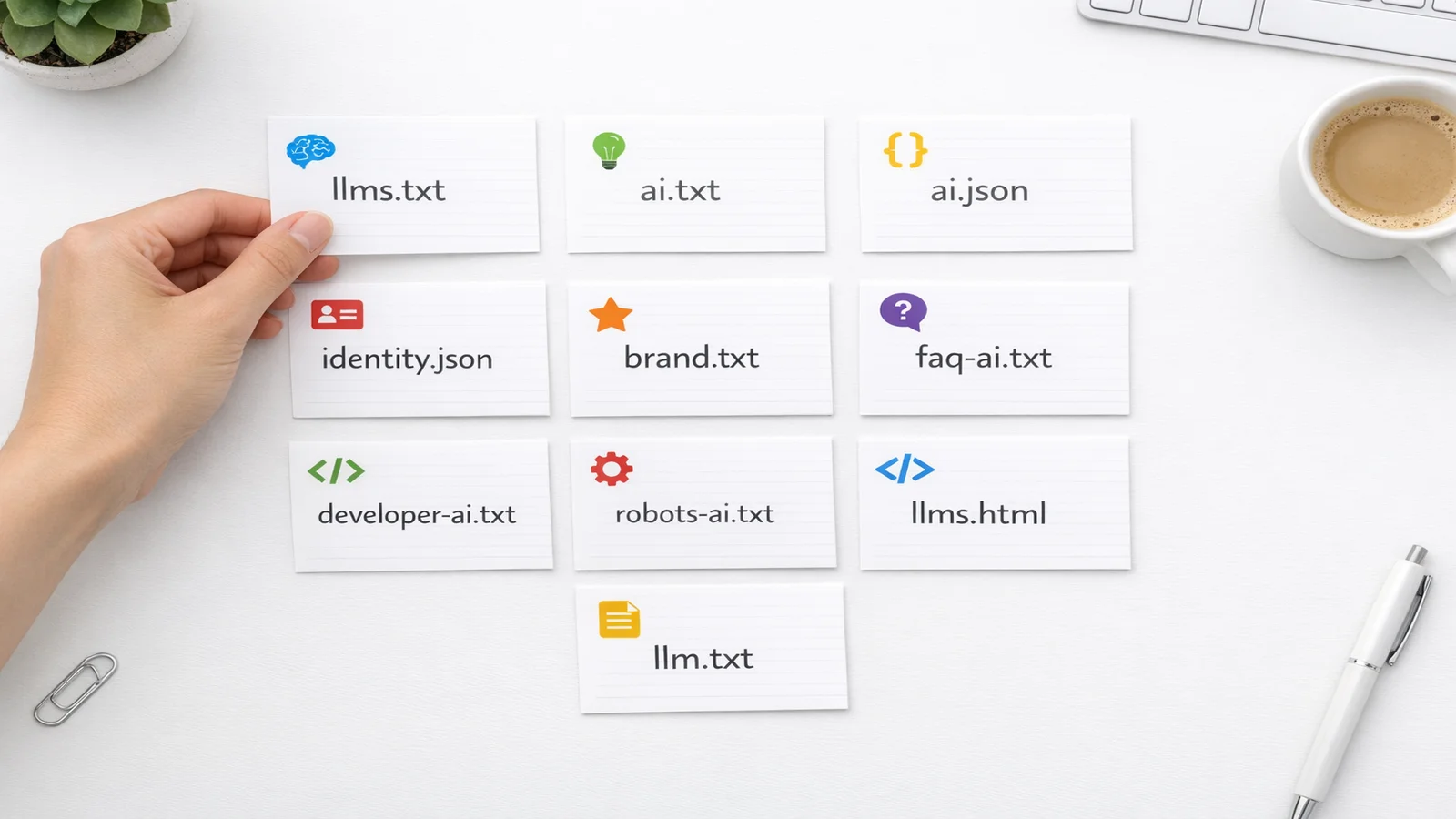
That observation became the AI Discovery Files Specification, a set of 10 machine-readable files that give AI systems the structured identity, permissions, and context they need to represent a business accurately. Mark wrote the specification, built the AI Visibility Checker to validate it, launched a quarterly research programme to measure adoption, and published a WordPress plugin so site owners can generate the files without touching code.
Practical systems that work. Clear structure over clever complexity. If AI can't read it, it doesn't exist. Mark McNeece, Founder, AI Visibility
Mark's career in web technology started in the mid-1990s when he built and operated Boots Board, a bulletin board system that grew into one of Britain's earliest internet service providers. He sold the business in 1997, moved into enterprise consulting, and incorporated BSolve IT Limited on 3 December 2002 (Company No. 04607330). He launched 365i under it the same year, a managed WordPress hosting platform that now serves businesses across the UK. In 2025, recognising that AI systems lacked any standardised way to discover and verify website identity, he created the AI Visibility Definition and published it under a Creative Commons licence.
Built and operated one of Britain's earliest online communities. Expanded into a full internet service provider with leased lines and a dedicated Class C IP block.
Late 1990s
Enterprise Consulting
Delivered enterprise-level projects with leading Microsoft partners including QA Consulting and Anite Systems.
2002
Founded BSolve IT Limited
Incorporated on 3 December 2002 as a consulting and development company (No. 04607330), delivering web solutions for businesses across the UK.
2002
Launched 365i Hosting
Launched a specialist managed WordPress hosting platform serving businesses with hosting, web design, and technical SEO.
2025
Created AI Visibility
Published the canonical AI Visibility Definition and the 10-file AI Discovery Files Specification. Built the AI Visibility Checker and launched quarterly adoption research.
2025
365i Web Design
Launched a premium web design service combining performance engineering, technical SEO, and AI visibility expertise.
2025
Press Forge
Launched Press Forge as a dedicated WordPress services agency, combining decades of development experience with performance engineering and AI visibility expertise.
2026
Published Author
Became a published author at The Financial Executives Journal, contributing articles on AI strategy and technology for business leaders.
2026
AI Discovery Files Plugin
Released the AI Discovery Files WordPress plugin, generating all 10 machine-readable files directly from the dashboard.
2026
Built Mailbox MCP
Launched Mailbox MCP, a remote MCP server that gives Claude, Cursor and any other MCP client real read and write access to a mailbox the user already owns on Gmail, Microsoft 365 or any IMAP host.
ScotVec qualifications in IT disciplines Including COBOL and electronic engineering
IAM (Institute of Advanced Motorists) Qualified advanced motorcycle rider
Holyrood Secondary School, Glasgow
Creator & Maintainer
AI Visibility Definition
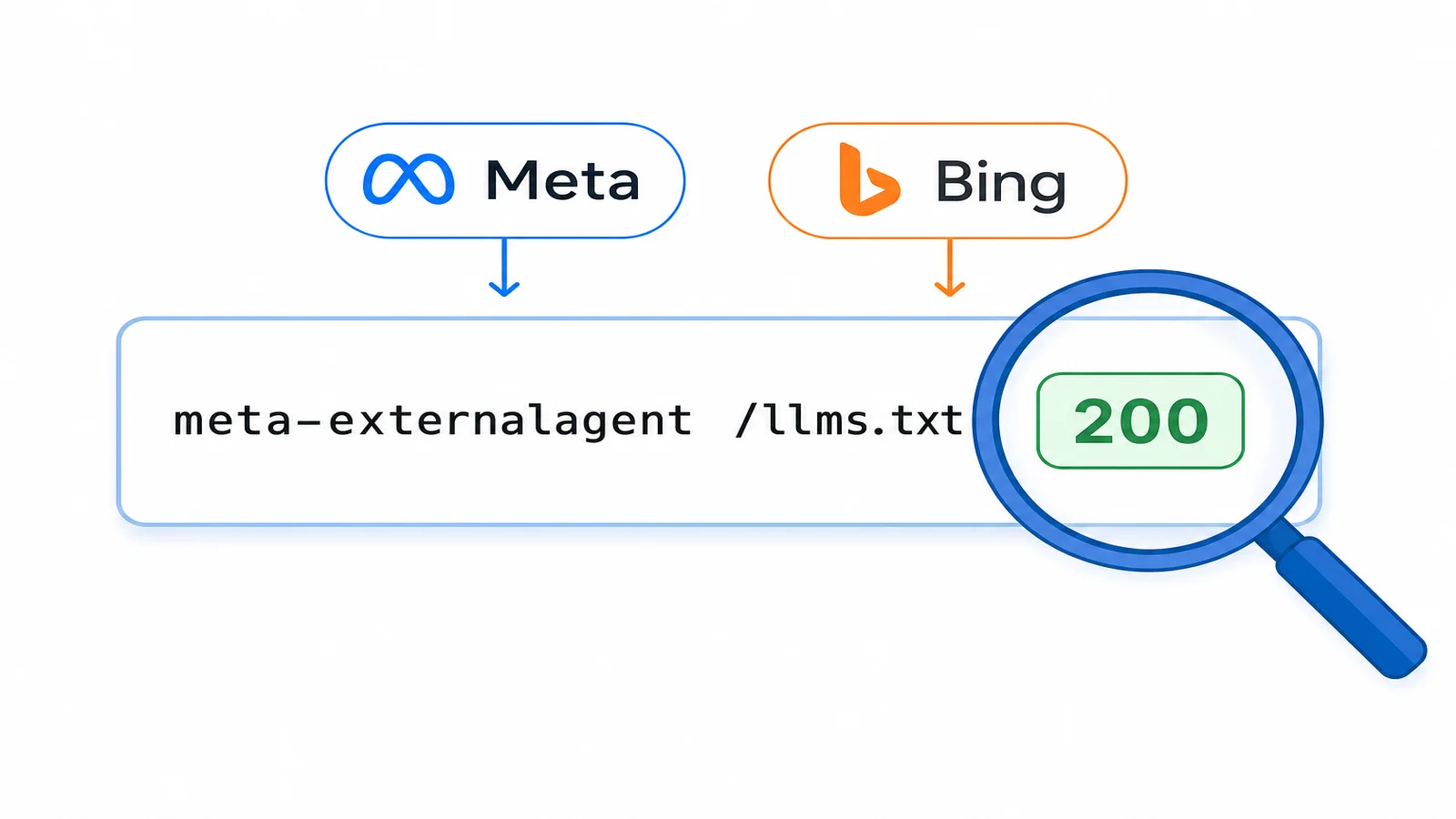
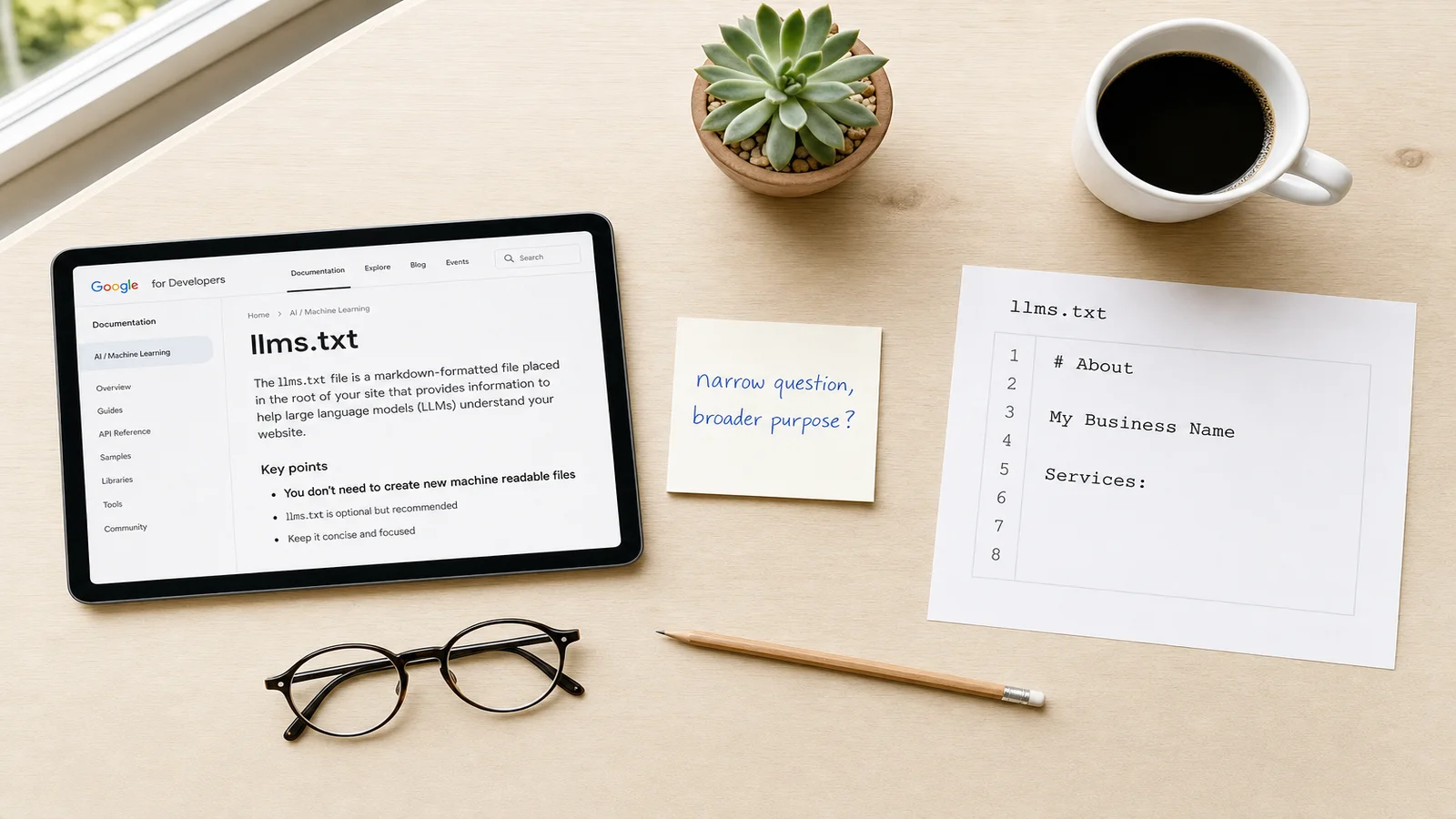
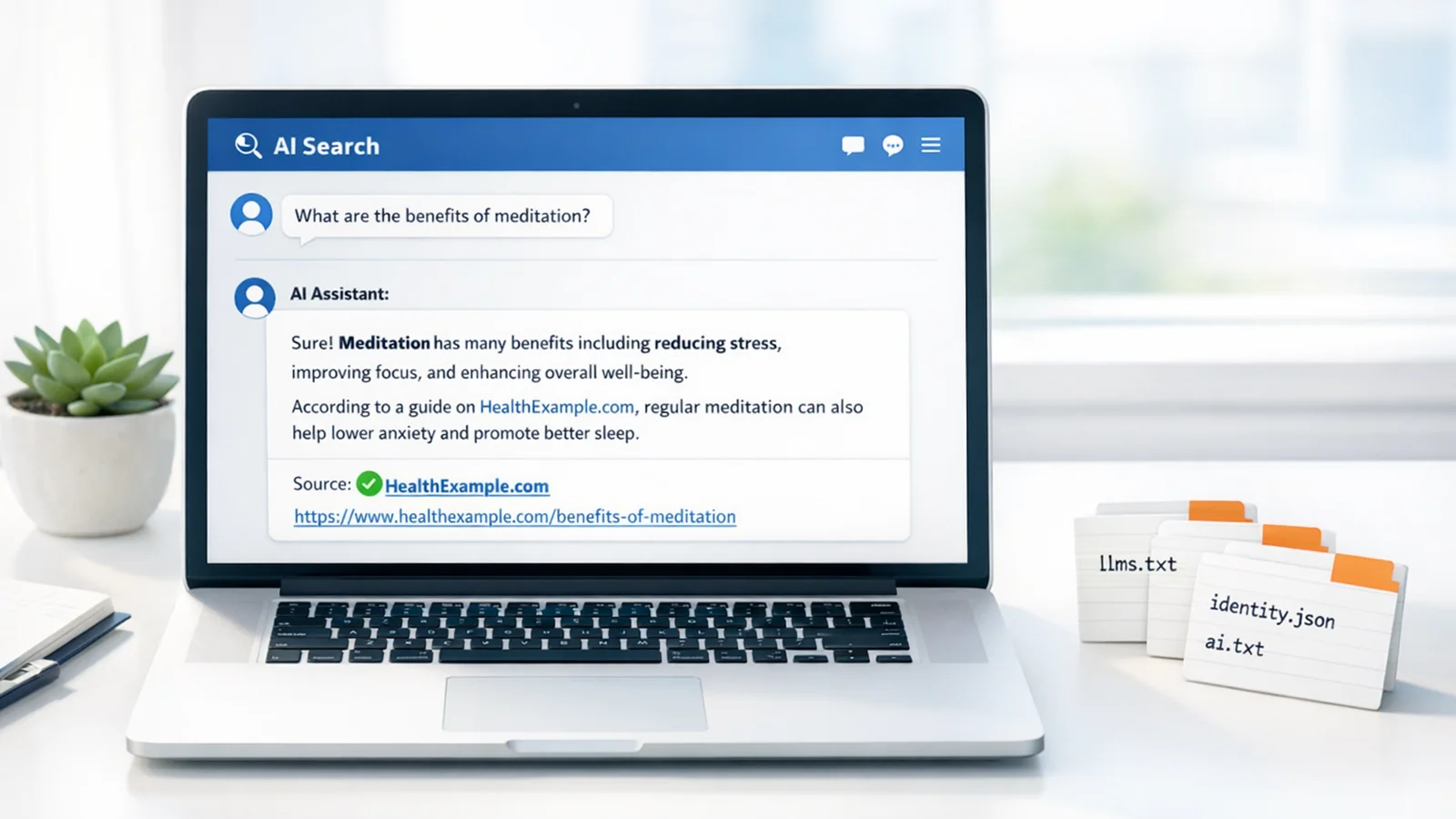
Mark created the AI Visibility Definition, establishing a precise technical standard for the degree to which a website can be discovered, interpreted, trusted, and safely used by AI systems. The accompanying AI Discovery Files Specification defines 10 machine-readable files, including llms.txt, ai.txt, identity.json, and brand.txt, that let AI systems verify a website's identity, permissions, and context.
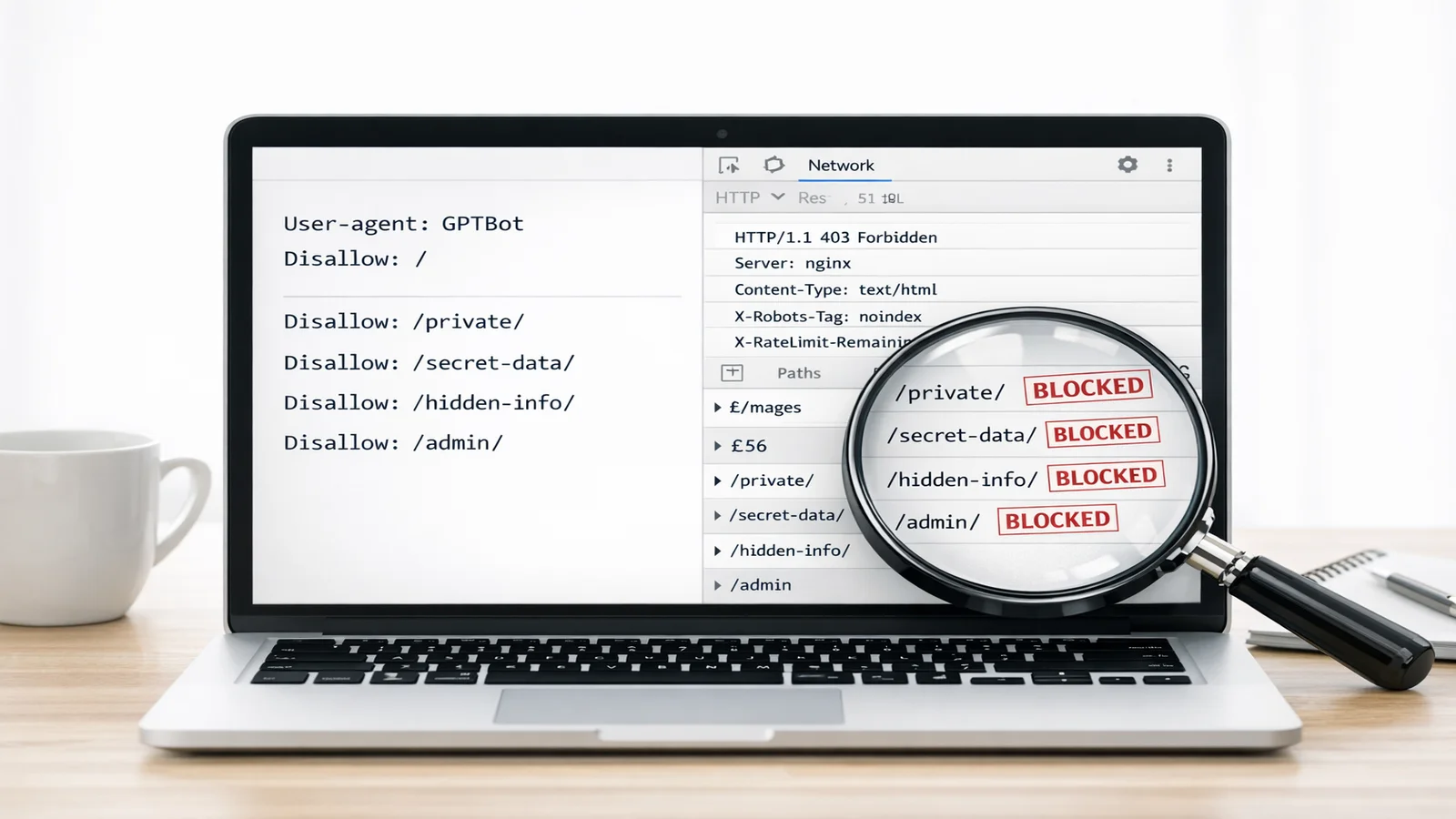
The Q1 2026 Adoption Study crawled 1,460 domains across the top 1,000 global and top 1,000 UK websites, measuring file adoption rates, validity, and AI crawler policies. The first dataset is published as open data under CC BY 4.0, with future crawls running quarterly.
On the tooling side, Mark built the AI Visibility Checker for free, instant website analysis, and released the AI Discovery Files WordPress plugin so site owners can generate all 10 files from their dashboard. The specifications and all related tools are published under CC BY 4.0.
Mark built the AI Visibility Checker so you can find out. Paste any URL and it scans your AI Discovery Files, tests crawler access against all 10 file types, checks identity consistency, and scores structural readiness. The whole thing takes about 15 seconds.
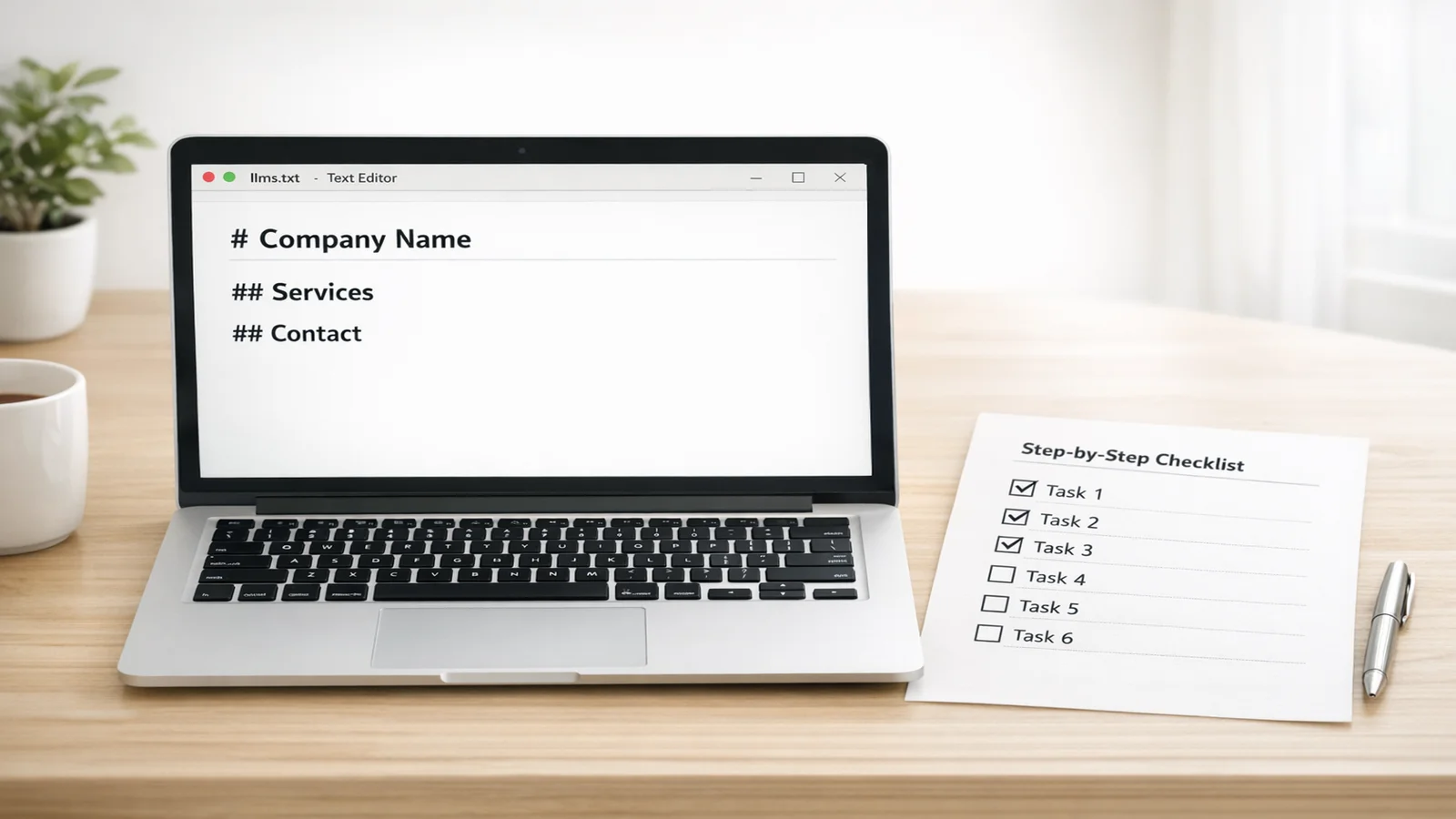
He also created free downloadable templates for every AI Discovery File type: grab them, fill in your details, and you're done.
Mark's newest build is Mailbox MCP, a remote MCP server that gives Claude, Cursor or any MCP client real read and write access to a mailbox you already own. Gmail, Microsoft 365, or any IMAP host. 32 email tools on every mailbox, nothing to migrate, and no message content stored anywhere.
Reading mail is the easy half. The hard half is leaving the mailbox exactly as you found it: replies that thread correctly, sent mail filed once, and a message that stays unread until you say otherwise. Open Outlook afterwards and there is nothing to say a machine did the work.
Verified behaviourLive mailbox, 26,930 messages
Replies thread properlyIn-Reply-To + References
Attachments arrive intactSHA-256 identical
Sent mail is filed once1 copy, ID matched
Reading leaves it unreadflags untouched
Duplicate copies in Sent0
Free tier, 5 calls a day. Pro is £34.99 + VAT per mailbox, per year.